Comprehensive Garage Door Opener Maintenance Guide for 2026
Introduction to Garage Door Opener Maintenance
Garage door opener maintenance involves routine inspection, cleaning, lubrication, and adjustment of various parts such as the opener motor, sensors, belts, gears, and control electronics. The importance of regular maintenance cannot be overstated; it prevents unexpected breakdowns, enhances the safety features, improves energy efficiency, and prolongs the functional life of your garage door system.
Well-maintained openers operate quietly and reliably, reducing wear on mechanical components like springs and rollers. This maintenance also ensures that safety sensors and emergency features work correctly, protecting your family and property. Overall, consistent upkeep reduces repair costs and maintains convenience for daily use.
Essential Components of a Garage Door Opener to Maintain
Understanding the main components of your garage door opener is critical to effective maintenance. Key parts include:
- Opener Motor: Powers the door movement; requires inspection for noise and overheating.
- Safety Sensors (Photo-eye): Detect obstructions to stop closing; must be aligned and cleaned regularly.
- Remote Control and Keypads: Battery replacement and signal testing ensures reliable operation.
- Drive Belt and Chain Drive: Transfers motor power to door; needs tension checks and lubrication to prevent slipping.
- Gear Assembly: Converts motor rotation to door movement; inspect for wear and adequate lubrication.
- Control Panel and Circuit Board: Manages functions and responds to commands; protect from moisture and power surges.
- Battery Backup: Ensures function during power outages; test and replace batteries periodically.
Understanding the Role of Springs and Tracks
In addition to the opener components, springs and tracks play a crucial role in door balance and movement:
- Torsion Spring: Provides counterbalance for the door’s weight; inspect for rust and tension adjustment.
- Tension (Extension) Spring: Assists lifting the door; check for wear, stretching, or damage.
- Roller Tracks: Pathways guiding door panels; ensure they are clean, free from dents, and properly aligned.
- Track Alignment: Misaligned tracks cause noisy or jerky movements; adjust brackets and mounting for smooth operation.
- Hinges: Connect door panels; lubricate and check for cracks or loosening.
- Cable Drum: Holds lifting cables; examine for wear or improper winding.
Step-by-Step Garage Door Opener Maintenance Guide
This practical guide will help you safely perform routine maintenance on your garage door opener:
Inspection Checklist
- Visually inspect opener motor for noise, overheating, or unusual vibrations.
- Check photo-eye sensors for dirt, cobwebs, and correct alignment.
- Examine drive belt or chain for slack, wear, or fraying.
- Inspect gear assembly and sprocket teeth for damage or missing parts.
- Look over wiring harness and control panel for loose connections or corrosion.
- Assess springs and tracks for rust, cracks, or misalignment.
Cleaning Solution
Use a mild detergent water mix or specialized garage door cleaner to wipe down tracks, rollers, and sensor lenses. Avoid harsh solvents that might degrade rubber weather seals or plastic components.
Lubricant Application
Apply high-quality garage door lubricant or silicone-based spray to hinges, roller bearings, springs, and chains/belts. Avoid petroleum-based oils which attract dust and grime.
Sensor Alignment
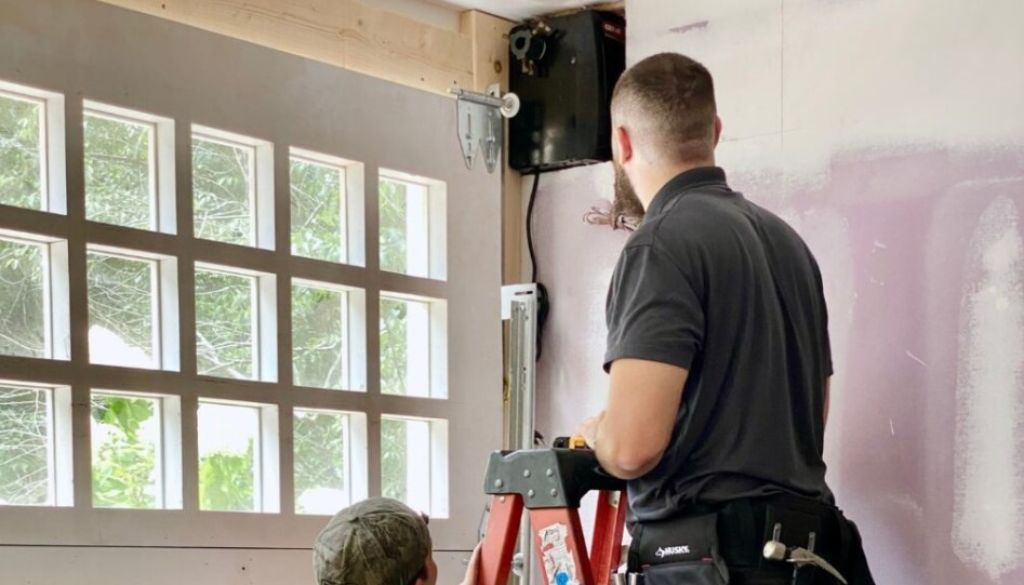
Ensure safety sensors (photo-eyes) face each other directly without obstruction. Use the indicator lights on each unit to confirm proper alignment.
Adjusting Opener Settings
Review and fine-tune limit switches to set precise door open/close positions. Adjust residential garage door repairs force settings to prevent excessive strain on motor or door components.
Checking and Replacing Batteries
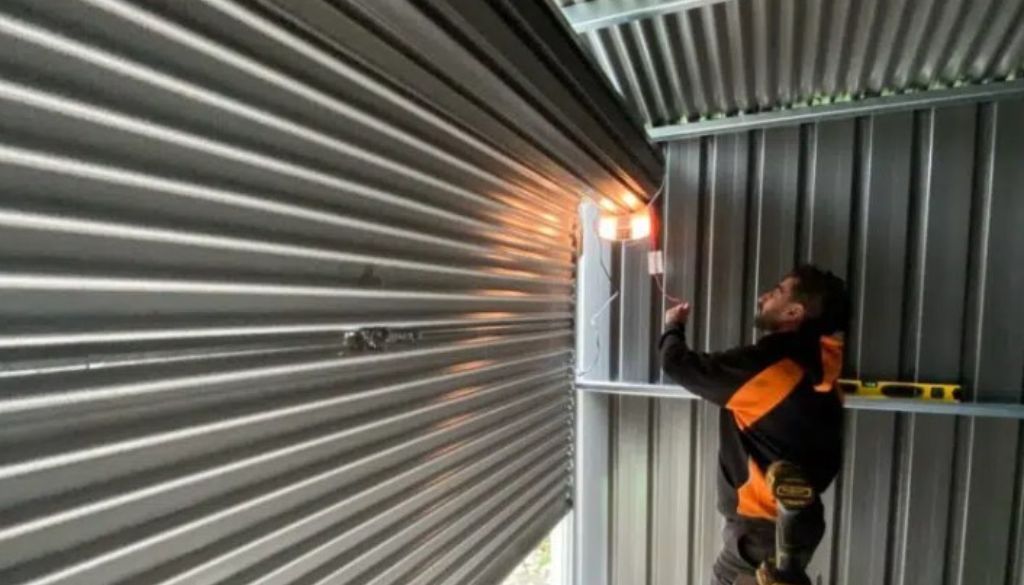
Replace batteries in remote controls, wall keypads, and battery backup units annually or as indicated by weakened signals or loss of functionality.
Manual Release Operation
Test the emergency manual release to ensure it disengages the opener smoothly and allows manual door operation if needed.
Noise Reduction Techniques
Tighten loose fasteners, add vibration dampeners, and inspect mounting brackets to reduce rattling and operational noise during door movement.
Safety Tips During Maintenance
- Always unplug the garage door opener before performing any electrical inspections or adjustments.
- Test the safety reverse system by placing an object under the door to confirm it reverses automatically.
- Be cautious when handling springs and cables due to stored tension – consider professional help for spring adjustments.
- Use insulated tools and avoid working during thunderstorms to protect against power surges.
- Check wiring harnesses for frayed wires or loose connections to prevent electrical hazards.
Troubleshooting Common Garage Door Opener Issues
Identifying typical problems early can prevent major failures and expensive repairs:
- Opener Motor Problems: Listen for humming without door movement – could indicate motor burnout or gear failure.
- Sensor Misalignment: Door won’t close if photo-eyes are blocked or misaligned; realign and clean lenses.
- Drive Belt and Chain Slippage: Tighten loose belts or chains and lubricate to restore proper tension and grip.
- Remote Control Malfunction: Replace batteries or reprogram remotes if signals fail or range is poor.
- Limit Switch Failures: Adjust limit settings if the door stops too soon or crashes into the floor/ceiling.
- Firmware Update and Diagnostic Mode: Consult manufacturer instructions to update control board software and run diagnostics to identify electronic faults.
Maintenance Schedule and Professional Servicing
To keep your garage door opener in top condition, follow this maintenance schedule:
- Perform basic inspection, cleaning, lubrication, and battery checks at least twice per year.
- Conduct seasonal maintenance including rust prevention on springs, weather seal inspection, and track cleaning before winter and after rainy seasons.
- Schedule professional servicing every 1-2 years or immediately if complex issues such as spring replacement or motor faults arise.
- Refer to your garage door opener’s official service manual for model-specific guidelines and troubleshooting codes.
Upgrading and Enhancing Your Garage Door Opener
Consider these enhancements to improve performance, security, and convenience:
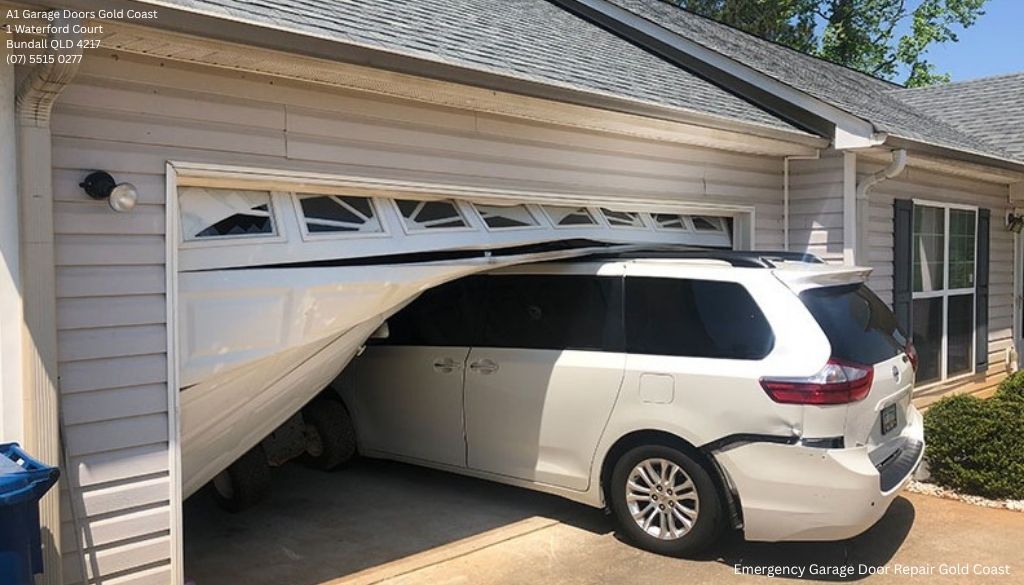
- Wireless Keypad Installation: Adds secure keyless entry; manage and update keypad codes regularly.
- Battery Backup Benefits: Ensures door functionality during power outages for added safety and access.
- Vibration Dampener: Reduces noise and wear on mounting brackets caused by motor vibrations.
- Noise Reduction Upgrades: Upgrade to belt-drive systems or install sound insulation to minimise operational noise.
Frequently Asked Questions About Garage Door Opener Maintenance
How often should I perform maintenance on my garage door opener?
It is recommended to conduct routine maintenance at least twice per year, ideally in spring and autumn, with more frequent checks after extreme weather.
What type of lubricant is best for garage door opener parts?
Use a silicone-based or lithium grease lubricant specifically designed for garage doors. Avoid petroleum-based oils as they attract dust.
How do I know if my garage door sensors are aligned correctly?
The safety sensors should face each other directly. Indicator lights on both units typically turn solid green or red when properly aligned.
Can I update the firmware on my garage door opener myself?
Some modern openers allow user-initiated garage door resources firmware updates via smartphone apps or USB interfaces; consult your owner’s manual for instructions.
What are the signs that my garage door opener motor is failing?
Signs include unusual noises, slow or jerky operation, the motor overheating, or the door failing to move even though the motor hums.
Is it safe to perform garage door opener maintenance without professional help?
Basic tasks such as cleaning, lubrication, sensor checks, and remote battery replacement are safe for most homeowners. However, springs and major mechanical adjustments require professional servicing due to injury risk.
How do I reset my garage door opener after a power surge?
Unplug the opener for a few minutes, then plug it back in. If available, press the reset button or follow manufacturer instructions for restoring default settings.
What should I do if my garage door remote control stops working?
Replace the batteries first, then try reprogramming the remote. Check for interference sources or proximity issues, and verify the opener’s receiver is functioning.
In conclusion, regular garage door opener maintenance is vital for safe, quiet, and reliable operation. By following detailed inspection, cleaning, lubrication, and adjustment steps, you can extend the life of your opener, reduce unexpected disruptions, and safeguard your household. For complex repairs or spring adjustments, consult a certified professional to ensure optimal safety and performance. Start your maintenance journey today and enjoy the convenience and peace of mind that comes with a well-maintained garage door system.